
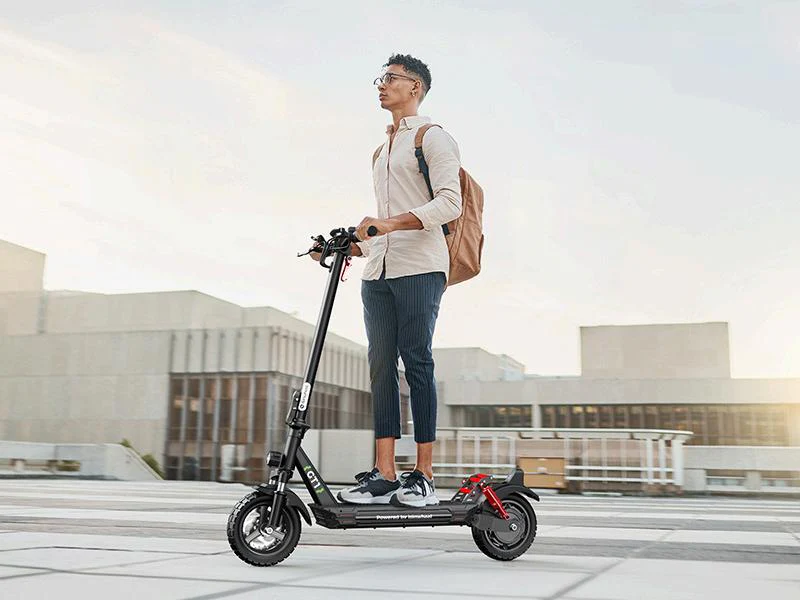
In the last few years, electric scooters — compact, battery-powered, and easy to ride — have transformed from niche gadgets to a mainstream mode of daily transport in many cities worldwide. With rising fuel prices, congestion in cities, and growing environmental concerns, these small EVs are becoming a go-to for many.

Urban e-scooters offer a unique mix: low running costs, minimal maintenance, silent operation, and easy maneuverability. For short commutes, last-mile rides from metro or bus stops, campus travel or quick errands — they offer huge convenience. As infrastructure and battery tech improve, their adoption has surged.
In this blog, we’ll explore why e-scooters are so relevant in 2025, what makes them attractive, what to watch out for — and whether they are a smart choice if you are thinking about buying one now.
What Makes Urban E-Scooters a Good Fit for Cities
1. Compact & Easy to Maneuver
E-scooters are lightweight and narrow, making them perfect for weaving through traffic or tight spaces. They don’t need big parking spots — you can park near a door, beside a wall, or even bring them inside offices or flats easily.
2. Low Operating Cost & Maintenance
Since they run on electricity, you avoid daily fuel costs. Charging is much cheaper than petrol. Maintenance is minimal: no oil changes, no regular engine servicing. Many components are simpler than petrol scooters.
3. Eco-Friendly & Quieter Ride
E-scooters produce zero tailpipe emissions — a huge plus for polluted urban environments. They help reduce noise pollution too, as electric motors run quietly compared to combustion engines.
4. Ideal for Short/Medium Distance Travel
For commutes under 5–15 km (common in cities), e-scooters can be extremely practical. They fill the “last-mile” gap — from metro or bus to home — quite efficiently.
5. Quick & Convenient Usage
No need for petrol pumps — plug in at home or office and charge. You skip engine warm-ups, gear shifts, and many mechanical complications. For urban lifestyles, this simplicity is a big advantage.
What to Check Before Buying an E-Scooter in 2025
E-scooters do solve a lot of problems — but they are not perfect for everyone. If you are considering buying one, you should weigh a few things carefully:
• Realistic Range vs Claimed Range
Manufacturers often quote ideal distances per charge. Real-world usage — with weight load, traffic, hills — reduces that range. If your daily commute is long, ensure the scooter has realistic battery range that covers it plus some buffer.
• Charging Infrastructure / Home Charging Facility
If you live in a flat without a dedicated parking/charging spot, charging daily may be inconvenient. A safe, weather-protected plug-in spot is needed.
• Load & Speed Limitations
Most urban e-scooters are built for city speeds. They might struggle on highways, heavy traffic or with two people + luggage. They are ideal for short commutes and city roads.
• Proper Maintenance of Battery & Electronics
Batteries and wiring need proper care. Overloading, water logging (in rains), or harsh roads can affect longevity. A good warranty and service network makes a big difference.
• Safety Considerations
Always wear a good helmet. Roads in many cities can have potholes or uneven patches — ensure you ride carefully. Due to lighter frames and smaller wheels compared to bikes, caution is needed.
For Whom E-Scooter Is a Great Fit

Urban e-scooters suit certain kinds of commuters perfectly. They are most ideal for:
- People commuting 5–15 km daily (office, college, market, etc.)
- Users living in apartments or shared housing — where parking/space is limited
- Those who want low maintenance and running cost over time
- Young riders, students, campus commuters, delivery partners who need agility and easy parking
- Environment- and budget-conscious users who prefer green, low-cost mobility
If you belong to any of these categories — an e-scooter could very well be one of the smartest mobility choices in 2025.
Not All at Once — When an E-Scooter May Not Be Enough
E-scooters make a lot of sense for city commutes, but they have limitations:
- For long-distance travel, hilly terrain or highways — a petrol bike or car may still be more practical.
- If you need to carry heavy loads, multiple passengers, long rides — e-scooter’s battery and load-capacity can limit usefulness.
- Charging access is crucial — without a safe charging spot, owning one might become a hassle.
- Real-world range reduces with usage; without regular charging, a scooter may not meet daily needs.
Basically — for short/medium urban commutes, e-scooters shine; for heavy-duty transport or long rides, consider full motorcycles or cars.
The Future Looks Bright — Why E-Scooters Will Grow More in Coming Years
- As battery technology improves, newer e-scooters will offer better range and faster charging.
- Urban pollution and fuel prices will push more riders to shift to EVs (including e-scooters). Eco-consciousness is rising. \
- Infrastructure improvements — more charging points, better road conditions, shared EV platforms — will support smoother adoption.
- For everyday city mobility, e-scooters offer the right balance: convenience, low cost, less pollution, ease of parking.
Given these trends, e-scooters may become a mainstream urban transport mode — especially for young commuters, city dwellers, students, service workers, and frequent short-distance travellers.
Conclusion: Urban E-Scooter — Smart Choice for Today’s City Rider
Electric scooters offer a compelling alternative to traditional two-wheelers if your commute is mostly within city limits. They solve the problems of fuel cost, pollution, traffic, parking and maintenance — while providing easy, cheap, and eco-friendly mobility.
If you want:
- Affordable daily commute
- Low running cost
- Easy parking and maintenance
- Environment-friendly travel
- Convenience for short rides
… then investing in a good urban e-scooter in 2025 makes a lot of sense.
But it’s not magic. Understand their limitations, ensure you have charging access, and don’t expect bike-like performance. Use sensibly, ride safely, and they’ll serve you well for daily urban mobility.